
Are Dog Cooling Mats Safe? A Material and Durability Buying Guide
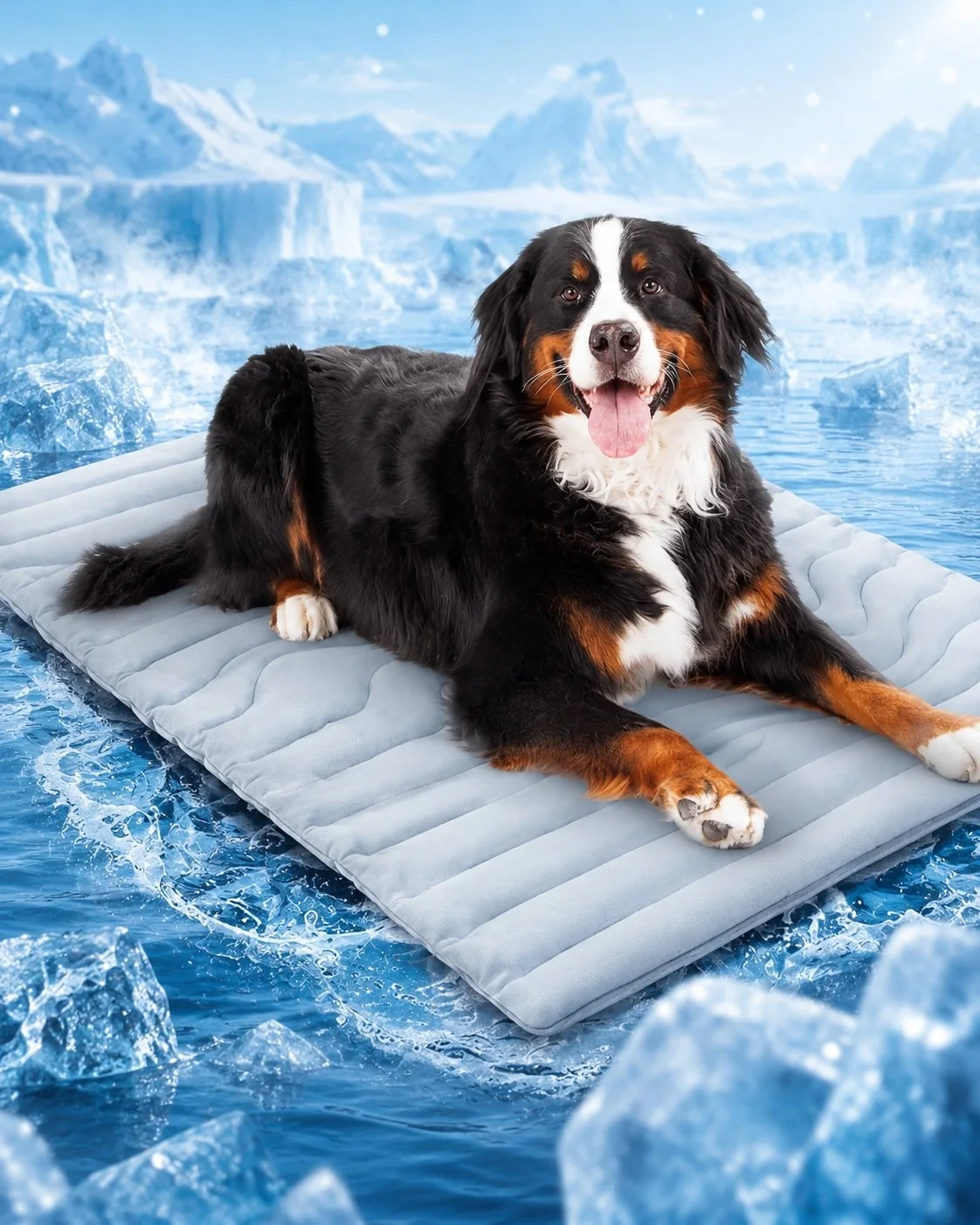
Dog cooling mats are often compared by how cool they feel. For pet owners and wholesale buyers, the more useful questions are practical: what is inside the mat, how should it be used, how is it cleaned and what happens if the surface is damaged?
There is no single answer for every cooling mat. A responsible buying decision starts with clear product information, realistic use expectations and a design that matches the pet's behavior and resting environment.
1. Start With a Clear Material Breakdown
A product page should explain more than a broad phrase such as "summer comfort." Before buying or sourcing a cooling mat, ask for a layer-by-layer description.
- Outer surface material
- Inner support or cooling layer
- Bottom material and anti-slip construction
- Edge binding and stitching method
- Care instructions and intended use conditions
For gel-based formats, ask how the cover and seams should be handled if the surface is damaged. For fabric-based cooling mats, compare the surface feel, filling, backing and edge finish. Clear material information is more helpful than an unsupported safety slogan.
2. Match the Mat to the Dog and Use Scenario
A cooling mat for a small dog, a large dog, a crate or a car does not need the same format. Measure the usable resting area and consider whether the dog normally curls up or stretches out.
A compact pad can suit cats, puppies, small dogs and travel setups. A larger flat mat can suit open floor use or dogs that prefer to lie fully extended. For car or crate use, measure the actual available space rather than relying only on a general size label.
Explore relevant formats: 3-Layer Reusable PVC Pet Cooling Mat, Soft Latex Cooling Mat and Cooling Gel Ice Mat.
3. Do Not Treat a Soft Mat as a Chew Toy
If a dog regularly chews bedding, scratches at seams or damages soft household items, that behavior should be considered before selecting any cooling mat. Review whether the corners can be lifted easily, whether the binding is exposed and what the care guidance says about supervised use.
A soft pet mat should not be described as chew-proof unless that claim is supported by a defined test method and product documentation. A clear damage-handling and care policy is more useful than a broad promise.
4. Check Cleaning and Everyday Maintenance
Cooling products are used around pet hair, water bowls, muddy paws and seasonal shedding. Before buying, confirm how the mat should be cleaned and dried.
- Can the surface be wiped clean?
- Is machine washing appropriate for the selected construction?
- Should the mat be air dried flat?
- Are heat drying or specific detergents discouraged?
- Does the care label match the material construction?
For private-label projects, care guidance should be reviewed early so it can be included on hang tags, care labels, retail packaging and product listings.
5. Review the Bottom Layer and Placement
A cooling mat should be placed on a stable, clean surface. For floor use, buyers may look for an anti-slip construction. For sofas, crates or vehicles, confirm whether the mat is intended to sit flat in that setting.
Think about the actual use location: a home floor, pet bed, crate, covered outdoor rest area or car. A product that matches the environment is easier for customers to understand and use correctly.
6. What Wholesale Buyers Should Review Before Ordering
A sample review is the best time to check details that photographs cannot fully show. Build a practical review list for the selected product.
- Finished dimensions
- Surface feel and construction
- Edge stitching and corner finish
- Bottom material
- Logo placement
- Care-label wording
- Packaging protection
- Carton marks and shipping requirements
For a private-label launch, start with a clear specification rather than broad claims. This creates a stronger foundation for product pages, retail packaging and customer communication.
Frequently Asked Questions
Are dog cooling mats safe?
A cooling mat should be evaluated by its material information, care instructions, intended use and the pet's behavior. Review product details and ask the supplier how damage or cleaning should be handled.
What if my dog chews the cooling mat?
Do not assume a soft mat is suitable for a dog that regularly chews bedding. Review the product guidance, supervise when appropriate and select a product format that suits the pet's behavior.
What size cooling mat should I choose?
Measure the dog's normal resting position and the usable area where the mat will be placed. Crates, cars and open floor areas can require different sizes.
Can a cooling mat replace other warm-weather care?
No. A cooling mat is one comfort product within a pet's resting area. For health concerns, seek veterinary guidance.
Discuss Your Cooling Mat Project
Share your target market, product format and requirements to discuss a suitable wholesale or private-label starting point.
Request a Wholesale Quote