
How to Start a Pet Cooling Mat Brand with Light Customization
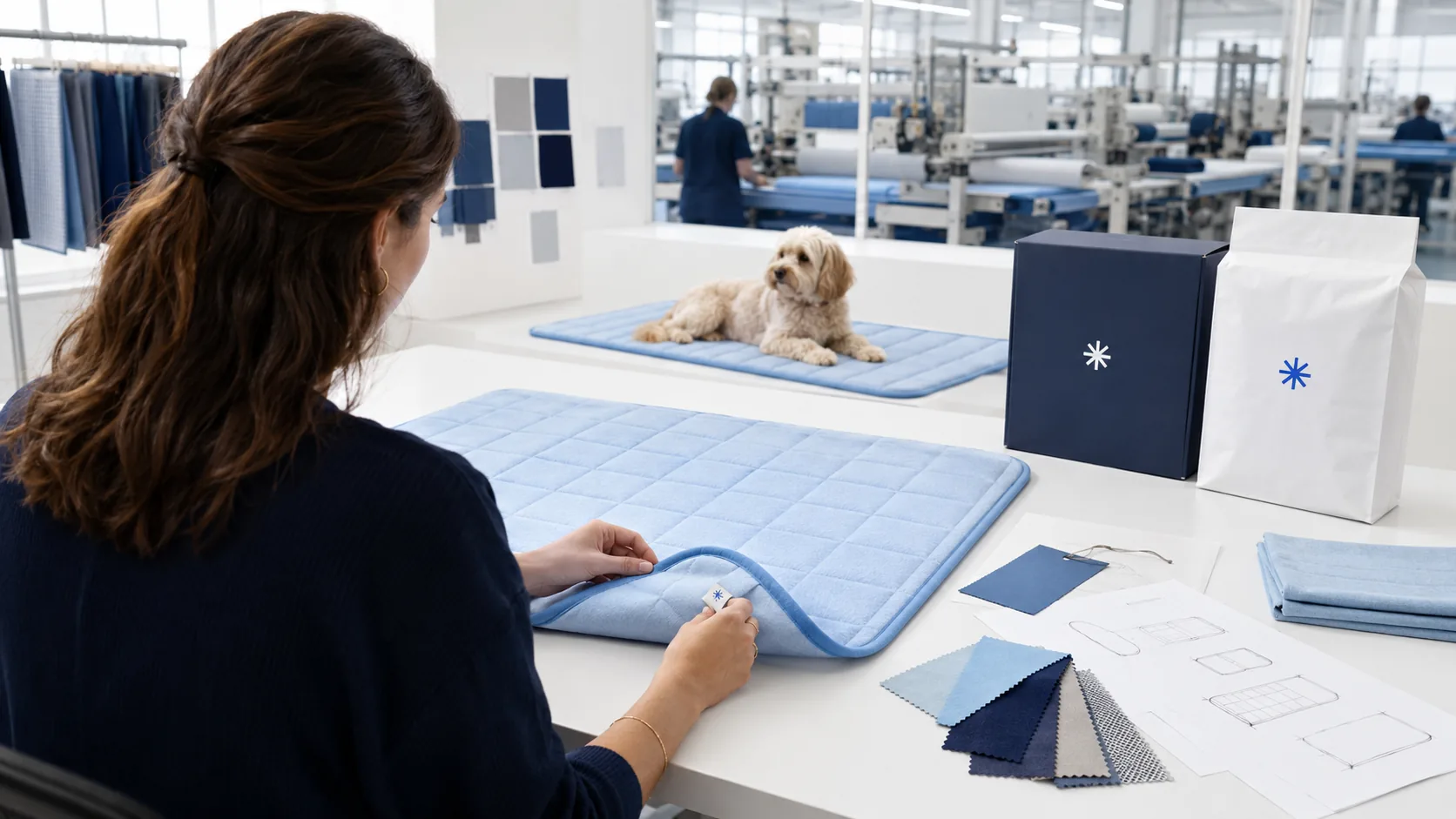
You may already have the most important part of a new pet brand: a clear idea of the customer you want to serve. The difficult part is turning that idea into a real product without spending months developing materials, managing multiple suppliers or committing to a large first order.
Light customization offers a practical starting point. Instead of developing a pet cooling mat completely from zero, you begin with a proven factory base model and customize the brand elements that matter most to your market. This can include color, size, logo, labels, product cards and packaging.
For a new brand, ecommerce seller or distributor testing a new category, this approach can reduce unnecessary complexity while still creating a product that feels like your own.
What Does Light Customization Mean?
Light customization means selecting an existing product construction and changing a focused set of specifications around it. The core product has already been sampled and manufactured, so you do not need to redesign every layer, material or production method.
Depending on the model and order quantity, common light-customization options may include:
- Selecting from available sizes or adjusting dimensions
- Choosing an existing fabric color or surface pattern
- Adding a printed logo or woven brand label
- Creating a branded hang tag or product card
- Customizing care labels, barcode labels and carton marks
- Using a branded sleeve, zipper bag, insert card or retail box
The exact options depend on the product structure, customization method and quantity. A factory should confirm what is practical before you finalize artwork or packaging.
Light Customization vs. Full OEM Development
Both approaches can create a private-label product, but they serve different stages of a brand.
| Light customization | Full OEM development |
|---|---|
| Starts with an existing base model | Starts with a new or heavily modified specification |
| Fewer technical decisions | More control over materials and construction |
| Usually faster to sample | Requires more development and testing |
| Better suited to market testing | Better suited to established demand or a unique product concept |
| Focuses on branding and selected product details | May involve custom fabrics, tooling, dimensions and performance targets |
If you are launching your first pet cooling product, light customization is often the more manageable route. Once you know which sizes, colors and price points perform well, you can expand into deeper OEM development.
Why Light Customization Works for New Pet Brands
1. You Start with a Clearer Product Foundation
An existing base model gives you something real to evaluate. You can review the cooling-mat surface, stitching, thickness, backing and overall feel before deciding how to position it in your market.
This is easier than making every technical decision from a blank page.
2. Sampling Can Be More Focused
Your sample process can concentrate on the details customers will actually see: logo placement, label quality, color, size and packaging presentation.
You still need to inspect and approve the product carefully, but fewer structural changes usually mean fewer development variables.
3. You Can Test Your Brand Before Expanding
A new product line does not need ten colors and six sizes on day one. A focused first collection helps you learn which customer, use scenario and sales message create the strongest response.
For example, you might begin with:
- One hero cooling-mat model
- Two high-demand sizes
- One or two brand colors
- A woven label and branded product card
- Simple ecommerce-ready packaging
After collecting sales and customer feedback, you can add more sizes, materials or packaging formats.
4. Branding Stays Consistent
Working with one factory partner for the product, label and packaging can reduce coordination problems. The logo size, colors, care instructions and carton information can be reviewed together instead of being handled by unrelated vendors.
A Practical Light-Customization Process
Step 1: Define Your Market
Tell the factory where and how you plan to sell. A product for Amazon, a pet boutique, a distributor or a travel-focused pet brand may need different sizes, packaging and product claims.
Useful information includes:
- Target country or region
- Customer type and pet size
- Sales channel
- Target retail price
- Estimated first-order quantity
- Preferred launch date
Step 2: Select a Base Product
Compare available cooling methods, materials, sizes and use scenarios. Do not choose only from appearance. Consider cleaning, folding, storage, packaging volume and how clearly the product benefit can be explained to customers.
You can review FrostPaw's pet cooling mat range as a starting point.
Step 3: Choose Only the Customization You Need
Separate essential customization from optional customization.
Essential items may include your logo, care label, barcode and basic packaging. A special shape, fully custom fabric or complex retail box may be better introduced after the product has proven demand.
Step 4: Confirm a Sample
Use the sample to check:
- Product dimensions and thickness
- Fabric color and hand feel
- Stitching and edge binding
- Logo size, color and placement
- Label information
- Packaging fit and presentation
- Care and safety instructions
Provide one consolidated feedback document. Scattered comments across different messages can create confusion and slow approval.
Step 5: Approve Production Details
Before bulk production, confirm the final specification, quantity by size or color, packaging method, carton marks, delivery terms and inspection expectations.
Step 6: Launch, Learn and Expand
Track which product options sell, which customer questions appear most often and whether the packaging protects the product through delivery. Use this information to improve the next order.
Common Mistakes to Avoid
Customizing Too Much Too Early
More customization does not automatically create a stronger brand. It can also increase development time, cost and inventory risk. Start with the changes that customers can recognize and value.
Designing Packaging Before Confirming the Product
Final dimensions, folding method and product thickness affect packaging size. Approving a box too early can lead to wasted artwork or poor product fit.
Launching Too Many SKUs
Every additional size, color or pattern divides your inventory. A focused product line is easier to market, photograph and reorder.
Skipping Sample Approval
Photos and specifications are not a replacement for a physical sample. Confirm the product and packaging before bulk production.
Comparing Only Unit Price
The lowest unit quotation may not include the same material, logo method, packaging, inspection standard or delivery terms. Compare complete specifications, not just one number.
What to Send When Requesting a Brand Plan
To receive a more useful recommendation, prepare:
- Your target market and sales channel
- Preferred product type and sizes
- Estimated quantity
- Logo file and brand colors
- Packaging preference
- Destination country
- Target launch date
- Questions about samples, inspection or shipping
The clearer your starting information, the easier it is for a factory to recommend a practical product and customization plan.
Start with a Product You Can Test and Grow
Building a pet brand does not have to begin with a fully custom product and a complicated supply chain. Light customization lets you start with an established product foundation, create a consistent brand presentation and learn from the market before increasing your investment.
FrostPaw Cooling supports private-label buyers with product selection, light customization, sampling, logo and label options, packaging coordination, production and export delivery.
Request a practical brand starting plan →
Plan Your Pet Cooling Mat Project
Share your target market, quantity and customization requirements to receive a practical product proposal.
Request a QuoteProduct Options to Explore
For a three-layer flat pad, see the Pet Summer Cooling Pad. For a dedicated cooling sleep format, explore the Ice-Silk Cooling Pet Bed.